Coming Soon: New Global Nutrition Report rethinks climate-resilient health and food systems
Amidst conflict, economic crises, pandemics, climate stress and strained health and food systems, achieving nutrition for all has never been more complex. Extreme weather disrupts crops and nutrient quality, pushes food prices up and strains health systems right when needed the most. Meanwhile, the foods we produce, and the ways we produce them, are shaping climate risks that circle back to threaten nutrition. These instances are deepening and becoming more frequent and costly, external financing for nutrition is tightening and the consequences of inaction are becoming impossible to ignore.
The upcoming 2026 Global Nutrition Report takes readers into the heart of this matter, exploring how food systems and health systems must transform together to protect the nutrition of vulnerable populations when climate stress or other shocks hit.
Looking beyond isolated interventions or sector-specific solutions, the report highlights a growing body of real-world innovation proving that healthier diets, climate-resilient agriculture and stronger health systems can be advanced collectively to improve nutrition. Rather than calling for sweeping transformations that feel out of reach, it emphasises what countries are already doing successfully and shows how these grounded, multisectoral strategies can be scaled. Ultimately, when food, health, social protection and climate action move in tandem, nutrition outcomes hold firm even under severe pressure.
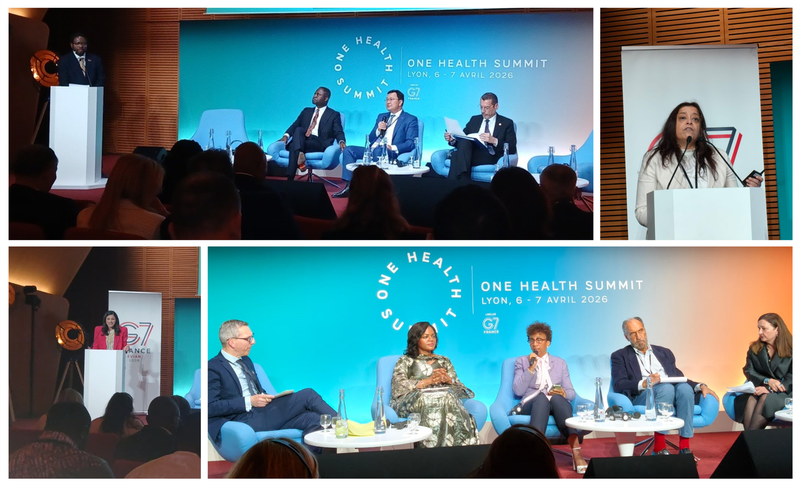
As world leaders convene at the 2026 One Health Summit in Lyon, this milestone gathering underscores how interconnected human, animal and environmental health truly are. The report’s new integrated food–health–climate framework offers a practical counterpart to the Summit’s vision: a roadmap for ensuring nutrition is not an afterthought, but a pillar of One Health action.
Most of all, the report shows that nutrition integration is possible. When food and health systems act together, governments are more likely to embed resilience, equity and the ability to deliver results into their commitments. There are no silver bullets, but decision makers can drive progress on nutrition by taking smarter, better coordinated action.
At a moment when progress towards Sustainable Development Goals 2 and 3 are off track and financing is tightening, now is a critical time to build on what works, strengthen alliances across sectors and invest in nutrition as the foundation of human resilience. The full report will be launched soon, and it aspires to reshape how policymakers, donors and implementers think about the future of nutrition in this changing world. To be the first to know about the report and receive our latest news and updates, sign up for our emails.